Choosing the wrong pre-treatment equipment can cost an anaerobic digestion facility thousands of dollars in contamination fees, lost biogas yield, and downstream equipment damage before a single load even reaches the digester.
Key Takeaways
- Depackagers typically recover over 99% of organic material from packaged waste while shredders can introduce microplastics into the feedstock
- Shredders operate at lower cost but struggle with mixed packaging types, often requiring secondary separation steps
- Processing capacity ranges from 2 to 40 tons per hour depending on the depackaging system selected
- Resources like the Waster’s equipment guides can help facility operators compare pre-treatment options based on waste stream composition
- The right choice between these two technologies depends on factors most operators don’t consider until after installation—factors we’ll break down below
Anaerobic digestion plants live or die by what goes into the tank, and that starts long before the organic matter ever meets the bacteria. Food waste doesn’t arrive clean and ready to digest—nearly 40% of it shows up still sealed inside plastic bags, cardboard boxes, or its original retail packaging. Sorting through that mess requires specialized equipment, and two technologies dominate the conversation: depackagers and shredders.
Both machines break open packaging and prepare waste for digestion, but they approach the job in fundamentally different ways. One prioritizes purity and packaging separation; the other prioritizes raw processing speed and mechanical simplicity. Understanding which approach fits your facility means looking past marketing claims and into the actual mechanics, performance data, and operational costs tied to each system.
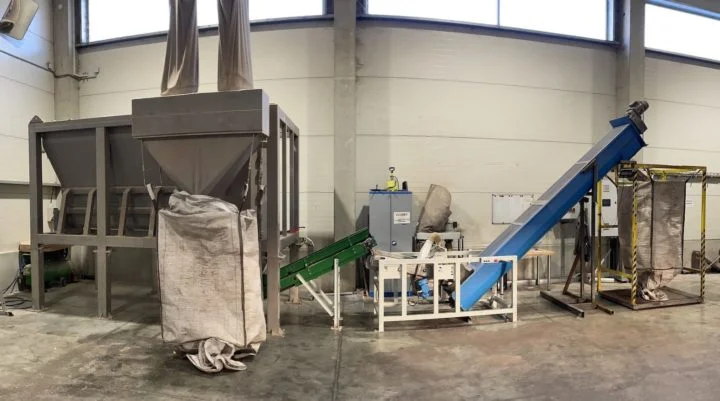
“How Depackaging Equipment Improves Biogas Yield in AD Plants” from blog.anaerobic-digestion.com and used with no modifications.
Article-at-a-Glance
This guide walks through how depackagers and shredders physically process waste, compares their recovery rates and purity levels side by side, and examines the hidden environmental cost—microplastic contamination—that separates the two technologies in ways most buyers don’t anticipate until it’s too late.
Why Pre-Treatment Equipment Choice Makes or Breaks Your AD Plant
Every anaerobic digester has a tolerance threshold for contamination. Cross it, and you’re looking at clogged pumps, damaged mixers, and biogas yields that fall short of projections. Pre-treatment equipment exists specifically to keep contamination below that threshold, which makes the depackager-versus-shredder decision one of the most consequential equipment choices a facility operator will make.
Up to 40% of Food Waste Still Arrives in Its Original Packaging
Source segregated food waste doesn’t show up at processing facilities already separated from its wrapper. Householders line their kitchen waste caddies with plastic bags, and those all end up in kerbside collections. Grocery store returns, expired retail products, and commercial food waste frequently arrive bagged, boxed, or shrink-wrapped—and that packaged fraction accounts for roughly 40% of total incoming volume at many facilities.
That packaging has to go somewhere before the organic material reaches the digester. Facilities that skip proper pre-treatment end up feeding plastic fragments, metal clips, and cardboard scraps directly into their digesters, which creates maintenance headaches and reduces the quality of digestate output later in the process.
The equipment chosen to handle this separation step directly shapes everything downstream—from how much usable organic matter actually makes it into the tank to how much foreign material ends up contaminating the final biogas or digestate product.
What Depackagers Do Differently From Shredders
Shredders cut, tear, and reduce everything that passes through them—packaging included—into smaller pieces. Depackagers, by contrast, are engineered specifically to separate organic material from its packaging while keeping that packaging largely intact for easy removal.
This distinction matters more than it might seem at first glance. Shredding packaging alongside organic waste means plastic, foil, and composite materials get fragmented into increasingly smaller pieces, some of which become microplastics that contaminate the organic stream. Depackagers avoid this problem by design, which is why many facilities handling heavily packaged waste streams are shifting toward depackaging technology specifically for anaerobic digestion feedstock preparation.
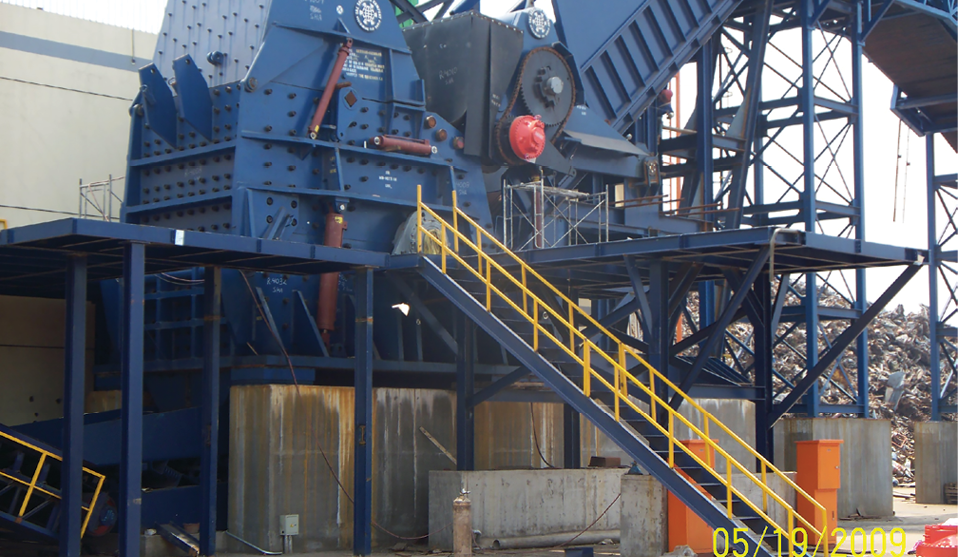
“A history of invention and innovation – Recycling Today” from www.recyclingtoday.com and used with no modifications.
How Depackagers Work
Depackaging systems rely on several distinct mechanical approaches, each suited to different waste stream characteristics. The common thread across all of them is a focus on rupturing packaging just enough to release organic contents without pulverizing the packaging material itself.
Manufacturers have developed at least five distinct mechanical strategies to accomplish this separation, and the differences between them affect everything from energy consumption to final product purity.
Low-RPM Paddle and Flail Systems
Scott Equipment’s THOR series exemplifies the low-speed approach, operating at around 400 rpm—significantly slower than conventional shredding equipment. Kevin Pedretti, Business Development Manager for Scott Equipment, explains the mechanism: “Once the package is empty, it is carried along the top of the processing chamber by the rotating paddles or flails so that the packaging leaves the chamber virtually whole.” For more insights on how leading operators tackle common challenges, explore depackaging equipment problems.
This gentler rotational speed matters for two reasons. First, it reduces the likelihood of shredding the packaging itself into microplastic fragments. Second, lower rpm operation translates directly into lower energy consumption compared to high-speed alternatives.
High-Speed Horizontal Processing
Not every depackager relies on low-speed operation. Mavitec’s system takes the opposite approach, running at up to 800 rpm in a horizontal configuration designed to maximize throughput for facilities that prioritize processing speed over the gentlest possible packaging handling.
This higher-speed design trades some of the packaging-preservation benefits of slower systems for increased capacity, making it a common choice for larger-scale operations processing high volumes of mixed organic waste.
Rotational Squeezing Technology
Flexidry’s depackaging system uses a rotational squeezing action rather than cutting or tearing. This method applies mechanical pressure to force organic material out of packaging through compression rather than impact, which can reduce wear on internal components over time.
Cyclonic Separation and Drying Action
The Drycake Twister takes a markedly different approach, using vertical cyclonic separation paired with a patented debagger mechanism. Rather than relying on water-based processing—which drains energy and adds wastewater handling requirements—this system uses an air-vortex method that conserves energy throughout the separation process.
Facilities concerned about microplastic contamination in their digestate can pair the Drycake Twister with its optional Seditank system or their Cleanpress, which specifically remove microplastics from the recovered organic output before it becomes biogas plant feedstock.

“Slash Your Costs and Boost Income with the Drycake Twister Depackaging System” from recyclinginside.com and used with no modifications.
Screw Auger and Toothed Plate Puncture Systems
Veolia’s ECRUSOR system relies on two shaftless screw augers working in tandem with a toothed plate. This configuration punctures packaging as material moves through the system, releasing organic contents while allowing packaging fragments to be separated out mechanically afterward.
How Shredders Work
Industrial shredders take a more straightforward mechanical approach than depackagers, relying on blade-based cutting action to reduce both organic material and packaging simultaneously. This simplicity has made shredders a long-standing staple of biomass pre-treatment, particularly in facilities that don’t deal heavily with packaged waste streams.
Low-Speed Blade Operation and Stability
Despite the cutting-based mechanism, many industrial shredders operate at low speeds, which contributes to stable operation and a notably low failure rate compared to high-speed alternatives. This stability makes shredders attractive for continuous operation in demanding industrial settings, especially when considering depackaging and separation processes.
Low Wear and Reduced Maintenance Needs
One advantage shredders hold over some depackaging systems is reduced blade wear. Industrial shredders designed for biomass processing typically don’t require frequent blade changes, which lowers long-term maintenance costs and reduces downtime associated with component replacement.
Water based depackagers also suffer from screen debris build-up, eventually resulting in downtime for screen cleaning access.
Shredders also tend to have a smaller physical footprint than many depackaging systems, which allows installation in crowded industrial workshops where space is already at a premium.
Role in Fuel Pretreatment for Biomass Power Plants
Beyond anaerobic digestion specifically, industrial shredders serve as the main component of fuel pretreatment systems in many biomass power plants. This dual-purpose application—serving both AD facilities and combustion-based biomass energy systems—has helped sustain demand for shredder technology even as depackaging systems gain ground in dedicated organic waste processing.
Depackager Performance: Recovery, Purity, and Capacity
Numbers tell the real story when comparing pre-treatment equipment, and depackager performance metrics consistently outpace what shredders alone can deliver for packaged waste streams in the cleanliness of their output. These figures matter because every percentage point of lost organic material or retained contamination translates directly into biogas yield and digestate quality.
Recovery Rates Above 99%
Modern depackaging systems consistently recover over 99% of organic material from incoming packaged waste. That recovery rate means facilities lose less than one percent of their feedstock to the packaging separation process itself, which adds up significantly at scale when processing tons of material daily.
Purity Levels From 99.2% to 99.9%
Purity tells the other half of the story—how clean the recovered organic material actually is once separated. Doppstadt’s BioPress system achieves 99.2% purity alongside its 99.2% recovery rate, while Gemidan Ecogi’s pulping process pushes purity even higher, reaching 99.9% in recovered organics. These purity levels directly reduce the risk of foreign material reaching the digester tank.
However, there is as yet no industry accepted standard for measuring recovery rates or purity. Never be swayed by a manufacturer’s claims for a fraction of a percentage better performance without carrying out a test run on your own organic waste source or range of wastes accepted.
Processing Capacity: 2 to 40 Tons Per Hour
Depackaging systems span a wide capacity range, processing anywhere from 2 to 40 tons per hour depending on the model and configuration selected. This range allows facilities of vastly different sizes—from small municipal operations to large commercial digestion plants—to find equipment matched to their actual throughput needs.
Energy Consumption
Energy consumption becomes ever more important as energy prices rise. Shredding exerts a high degree of energy use, and the equivalent depackaging system often use signinificantly less energy.
Scott Equipment’s THOR series illustrates how energy demand scales with capacity. Power consumption across the line ranges between 47 and 173 kW depending on the specific model, giving operators flexibility to match energy costs to processing requirements rather than overbuying capacity they don’t need.
Footprint Requirements: 400 to 1,250 Square Feet
Physical space requirements vary considerably across depackaging systems, ranging from 400 to 1,250 square feet depending on system size and configuration. Facilities with limited floor space should factor this range into equipment selection early, since retrofitting a building around an oversized machine rarely goes smoothly. For more information on equipment challenges, explore depackaging equipment problems and solutions.
| Metric | Range Across Depackager Systems |
|---|---|
| Organic Recovery Rate | Over 99% |
| Purity of Recovered Material | 99.2% to 99.9% |
| Processing Capacity | 2 to 40 tons per hour |
| Energy Consumption (THOR series) | 47 to 173 kW |
| Physical Footprint | 400 to 1,250 square feet |
Microplastics: The Hidden Cost of Choosing Shredders
Recovery rates and processing speed get most of the attention in equipment comparisons, but the microplastic question deserves equal weight. What happens to packaging material during pre-treatment determines whether that plastic ends up safely removed or fragmented into particles that contaminate the entire digestion process.
Why Shredding Packaging Creates Micro and Nanoplastics
When a shredder’s blades pass through plastic packaging alongside organic waste, the cutting action doesn’t just open the package—it fragments the plastic itself into progressively smaller pieces. Repeated passes through blade mechanisms can reduce plastic fragments down to micro and even nanoplastic scale, particles small enough to pass through downstream filtration and end up mixed directly into the organic feedstock. For more insights into shredding technologies, explore the bio-waste shredder market trends.
Once microplastics enter the digestion process, removing them becomes far more difficult than preventing their creation in the first place. This is the core argument driving many facilities toward depackaging technology over traditional shredding for packaged waste streams specifically.
How Depackagers Keep Packaging Intact
Low-rpm depackaging systems, like Scott Equipment’s THOR series, are engineered specifically to avoid this fragmentation problem. By rupturing packaging just enough to release contents while carrying the packaging material through the chamber largely whole, these systems prevent the repeated cutting action that generates microplastics in the first place.
Systems like the Drycake Twister take this a step further with optional Seditank and Cleanpress integration, actively removing any residual microplastics from the organic output stream before it becomes anaerobic digestion feedstock. This extra separation step matters increasingly as regulators and biogas buyers scrutinize digestate quality more closely.
As the Drycake Twister uniquely uses an air vortex the largely intact packaging is almost dry when expelled and thus has a big advantage for later smart recycling and an elevated calorific value if incinerated as RDF or SRF.
Diverting Rejected Materials Away From Landfill
Beyond organic recovery, depackaging technology addresses a second cost centre: what happens to the rejected packaging material afterward. Because depackagers leave packaging largely intact rather than shredded into unusable fragments, that rejected material may retain enough integrity to be recycled rather than landfilled.
This distinction carries real financial weight given how steep landfill gate fees have become in many regions. Facilities that can divert rejected packaging toward recycling streams instead of landfill disposal reduce both their environmental footprint and their waste disposal costs simultaneously.
Leading Depackager Systems Compared
With an increasing number of manufacturers now competing in the depackaging space, understanding what sets each system apart helps facility operators match equipment to their specific waste stream and operational priorities.
Scott Equipment THOR Series: TS-20 to MEGA-THOR
Scott Equipment offers a tiered product line designed to scale with facility size. The TS-20 serves as an entry-level option, the TS-30 and TS-40 cover mid-range to high-capacity needs, and the MEGA-THOR tops the line for facilities requiring maximum throughput. This tiered structure allows operators to select capacity without paying for headroom they’ll never use.
Mavitec’s 800 RPM Horizontal Design
Mavitec takes the higher-speed route among depackaging systems, running its horizontal configuration at up to 800 rpm. For facilities prioritizing throughput over the gentlest possible packaging separation, this design trades some microplastic-prevention benefit for increased processing speed.
Doppstadt BioPress Recovery and Purity Data
Doppstadt’s BioPress system pairs strong recovery with strong purity, delivering 99.2% recovery alongside 99.5% purity in recovered organics. These matched figures make BioPress a solid benchmark against which other systems are often measured.
What stands out about Doppstadt’s dual role in this market is that the company also manufactures traditional shredding equipment, giving it a unique vantage point on where each technology performs best across different waste stream types.
Gemidan Ecogi’s Pulping Process
Rather than relying purely on mechanical rupture, Gemidan Ecogi’s system incorporates a pulping process that achieves the highest purity figure among commonly cited systems—99.9% in recovered organics. This pulping approach suits facilities handling particularly stubborn or heavily laminated packaging types.
Drycake Twister’s Air-Vortex Energy Savings
The Drycake Twister distinguishes itself through vertical cyclonic separation combined with a patented debagger mechanism. Unlike water-based processing systems that consume significant energy moving and treating water, the Twister’s air-vortex approach conserves energy throughout separation. Learn more about depackaging separation materials handling to understand how this technology optimizes efficiency.
This energy efficiency advantage compounds over time, particularly for facilities running continuous operations where every kilowatt saved on pre-treatment translates into lower operational overhead.
Pairing the Twister with its optional Seditank system gives operators an added layer of microplastic removal, positioning this system well for facilities supplying premium anaerobic digestion feedstock to buyers with strict contamination standards.
Depackaging technology can convert mixed, packaged waste into valuable premium anaerobic digestion plant feed—turning what was once a disposal problem into a revenue-generating feedstock stream.
Veolia ECRUSOR’s Shaftless Screw Auger Design
Veolia’s ECRUSOR relies on two shaftless screw augers working alongside a toothed plate to puncture packaging as material moves through the system. This configuration handles continuous feed well, making it a practical choice for facilities with steady, high-volume waste delivery schedules.
Bio-Waste Shredder Market Growth and Innovation
While depackaging technology continues gaining ground for packaged waste streams, the broader bio-waste shredder market isn’t standing still. Innovation and demand are both climbing, driven by factors that extend well beyond anaerobic digestion into composting, municipal waste handling, and energy recovery.
7.7% CAGR Projected Through 2031
The global bio-waste shredder market is expected to grow at a compound annual growth rate of 7.7% between 2025 and 2031 reflecting global development rates for the anaerobic digestion process. That growth trajectory also accords with expanding applications for depackaging and shredding equipment across waste management sectors beyond just anaerobic digestion pre-treatment.
IoT Integration for Real-Time Monitoring
Internet of Things technology is reshaping how operators manage shredding equipment day to day. Smart features now allow real-time tracking of shredding processes alongside remote diagnostics, meaning maintenance issues can be caught before they cause unplanned downtime.
Energy-Efficient Motors and Smart Features
Manufacturers are shifting toward electric motors and advanced drive technologies designed specifically to reduce energy consumption without sacrificing cutting power. This shift mirrors the broader industry push toward lower operational costs and reduced environmental impact across waste management equipment generally.
Compact Shredders for Small-Scale and Decentralized Use
Not every facility needs industrial-scale processing capacity. Growing demand exists for compact, affordable shredders suited to small-scale and decentralized operations, giving smaller municipalities and independent waste processors access to technology once limited to large commercial facilities.
Recent innovations in this space focus on improving processing speed, durability, and overall efficiency through advanced blade designs, automatic feed systems, and improved motor technologies—developments that benefit both large and small operators alike. For more information on these advancements, you can explore the industrial crushers and shredders used in biomass production.
What’s Driving Demand for Each Technology
Several overlapping forces are pushing both depackager and shredder adoption forward simultaneously, even as the two technologies serve somewhat different niches within the broader pre-treatment landscape.
Regulatory pressure, environmental awareness, and the economics of waste-to-energy conversion all factor into why facilities are investing in better pre-treatment equipment now rather than later.
- Growing need for efficient waste management across municipal and commercial sectors
- Increasing environmental concerns pushing automated, lower-impact shredding and depackaging solutions
- Stricter regulations on organic waste handling and disposal
- Expanding demand for waste-to-energy conversion infrastructure
- Urbanization driving higher volumes of organic waste requiring processing
These drivers don’t operate in isolation. A facility facing new organic waste regulations, for instance, often finds that compliance naturally pushes it toward waste-to-energy infrastructure, which in turn demands better pre-treatment equipment to protect that infrastructure investment.
Regulatory Pressure on Organic Waste Management
Governments across multiple regions are tightening rules around how organic waste gets handled, diverted, and processed. These regulations increasingly require facilities to demonstrate contamination control, which puts direct pressure on pre-treatment equipment selection.
Growth in Waste-to-Energy Systems
As more municipalities and private operators invest in converting organic waste into biogas or electricity, demand for reliable pre-treatment equipment grows alongside it. Bio-waste shredders in particular are increasingly integrated directly into waste-to-energy systems as a core processing component.
Urbanization and Rising Organic Waste Volumes
Dense urban populations generate organic waste at a pace that outstrips what older, manual sorting methods can handle. This volume pressure is pushing cities toward automated depackaging and shredding solutions simply to keep processing capacity in line with incoming waste.
Challenges Facing Shredder Adoption
Despite steady market growth, bio-waste shredders face real adoption hurdles that facility operators need to weigh honestly before committing capital. For insights on how some operators tackle these challenges, check out leading operator solutions.
High Capital Investment Barriers
Purchasing and installing bio-waste shredding equipment requires significant upfront capital, which can put the technology out of reach for smaller operators or facilities in emerging markets with tighter budgets. This cost barrier remains one of the most consistently cited obstacles to broader adoption across the industry.
Handling Variable Bio-Waste Compositions
Bio-waste doesn’t arrive in a single uniform format, and that variability creates real engineering challenges. A shredder calibrated for soft food scraps may struggle with mixed loads that include rigid plastic containers, metal cans, or dense cardboard, forcing operators to either accept inconsistent output quality or invest in additional sorting equipment upstream.
This complexity is part of why depackaging technology has gained traction specifically for packaged waste streams—these systems are purpose-built to handle the exact kind of mixed, contaminated input that trips up general-purpose shredders. Facilities dealing with highly variable waste composition often find that a single shredder simply can’t deliver consistent purity across every load. For more insights, explore the guide to intact separation technologies.
Limited Awareness in Emerging Markets
Adoption lags in regions where decision-makers haven’t yet seen the operational and financial case for upgrading pre-treatment equipment. This awareness gap slows market penetration even in areas with genuine need for better organic waste processing infrastructure.
Closing this gap typically requires visible proof points—case studies, demonstration projects, and clear cost comparisons—before operators in these markets are willing to commit to equipment they haven’t seen perform locally.
Where Each Technology Fits Best
Neither depackagers nor shredders win every scenario outright. The right choice depends heavily on what’s actually coming through the facility’s doors and what happens to the material afterward.
Food Processing Facilities and Packaged Waste Streams
Facilities handling heavily packaged food waste—expired retail products, overproduction from manufacturing lines, or returned goods still in original packaging—benefit most from depackaging technology. The high recovery and purity rates these systems deliver directly translate into cleaner feedstock and fewer contamination issues downstream.
Operations like these also tend to generate rejected packaging material that retains enough integrity for recycling, which depackagers are specifically designed to preserve. That recyclability advantage simply isn’t available when packaging gets shredded into unusable fragments alongside the organic matter.
Municipal Organic Waste Programs
Municipal collection programs often deal with a wide mix of source-separated organics alongside some contamination from residents who don’t sort perfectly. Depackaging systems suited to variable input, paired with strong purity performance, tend to serve these programs better than straight shredding, particularly as cities face growing regulatory pressure around digestate quality.
Agricultural and Biomass Applications
Agricultural waste streams—crop residue, manure, and unpackaged biomass—rarely involve the packaging contamination problem that drives depackager adoption elsewhere. In these settings, traditional industrial shredders may remain the practical choice, offering low wear, stable operation, and a smaller footprint suited to farm-based or rural biomass processing setups.
Biomass power plants in particular continue to rely on shredders as a core fuel pretreatment component, since the material entering these systems typically doesn’t carry the same packaging burden as municipal or commercial food waste.
Making the Right Choice for Your Anaerobic Digestion Facility
The depackager-versus-shredder decision ultimately comes down to what’s actually arriving at your facility’s loading dock. Heavy packaging contamination points clearly toward depackaging technology, where recovery rates above 99% and purity levels reaching 99.9% protect both digester health and final biogas quality. Facilities handling unpackaged biomass or agricultural residue, on the other hand, often get everything they need from a reliable, low-maintenance shredder.
Cost, footprint, and throughput requirements round out the practical considerations. Smaller operations may find entry-level options like Scott Equipment’s TS-20 sufficient, while high-volume facilities might need the processing power of a MEGA-THOR or similar high-capacity system. Whatever the scale, matching equipment capability to actual waste stream composition—rather than defaulting to whatever technology is most familiar—tends to produce the best long-term results for digester performance and operational cost control.
Frequently Asked Questions
These common questions come up repeatedly among facility operators weighing their pre-treatment options, so addressing them directly helps clarify the practical differences covered throughout this guide.
Each answer below reflects the performance data and mechanical realities already discussed, applied to the specific decision points operators face when finalizing equipment purchases. For more insights, you can explore common depackaging equipment problems and how leading operators address them.
Can a Shredder Replace a Depackager for AD Pre-Treatment?
A shredder can process packaged waste, but it won’t separate packaging from organic material the way a depackager does. Shredding packaging alongside organic matter risks introducing micro and nanoplastic contamination into the feedstock, which depackagers are specifically engineered to avoid.
For facilities dealing primarily with unpackaged biomass, a shredder may handle pre-treatment needs just fine. But once packaged waste becomes a significant portion of incoming material, relying on a shredder alone typically means accepting lower purity in the final organic output.
How Much Organic Material Gets Lost With Each Method?
Depackaging systems consistently recover over 99% of organic material from packaged waste streams, meaning less than one percent gets lost during the separation process. Shredders don’t publish comparable organic-recovery figures in the same way, since their design doesn’t separate organic matter from packaging in the first place—everything passes through together. To learn more about the efficiency of these systems, explore depackaging separation and materials handling.
Do Depackagers Cost More to Operate Than Shredders?
Operating costs depend heavily on the specific system and energy consumption profile, but several factors influence the comparison:
- Low-rpm depackagers like Scott Equipment’s THOR series consume between 47 and 173 kW depending on model, which can be comparable to or lower than high-speed shredding equipment
- Depackagers’ higher purity output can reduce downstream costs associated with digestate contamination and equipment maintenance
- Shredders generally require less frequent blade replacement, which lowers direct maintenance costs over time
Total cost comparisons really depend on factoring in downstream savings, not just the equipment’s direct energy draw. For more insights on depackaging equipment, you can explore common problems and solutions faced by leading operators.
Which Technology Better Protects Downstream Digester Equipment?
Depackagers generally offer better protection for downstream digester equipment because they remove more foreign material before it ever reaches the tank. Higher purity output means fewer plastic fragments, metal pieces, or other contaminants capable of clogging pumps or damaging mixers. To learn more about the effectiveness of depackaging, you can explore the depackaging separation process.
Shredders, by contrast, can leave fragmented packaging mixed into the organic stream, increasing the risk of mechanical wear on downstream digester components over time. To learn more about the challenges of microplastics from waste processing, visit our detailed guide.
Discover more from IPPTS Depackaging Equipment Insights
Subscribe to get the latest posts sent to your email.